Why is Oregon's reflectivity limit so much stricter?
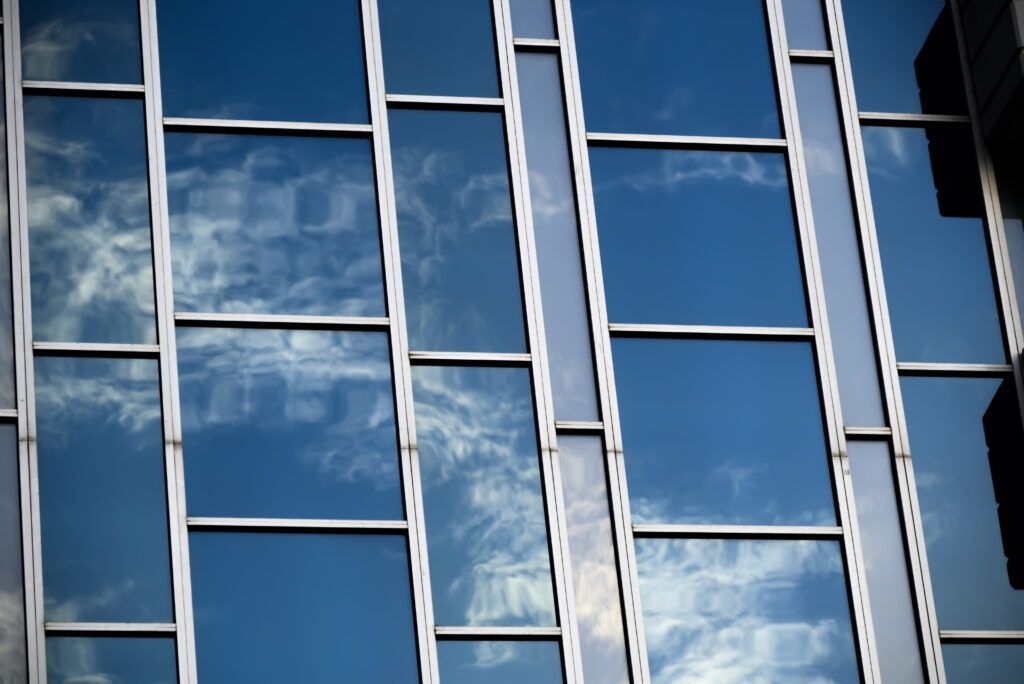
Washington allows tint to reflect up to 35% of light, giving it a slightly mirrored or metallic look in the right conditions. Oregon caps that at just 13%, which rules out most reflective and mirrored films entirely. In practice, this means a film that's perfectly legal in Vancouver, WA could be too reflective to pass in Portland, even if the VLT darkness itself is within range. If you're shopping for tint and want it to be street legal on both sides of the river, reflectivity is just as important to check as VLT percentage.
Medical exemptions in Washington and Oregon
Both states allow drivers to apply darker tint than the standard limits if they have a documented medical need, such as a condition that makes sunlight exposure painful or harmful.
- Washington:
Requires written verification from a licensed physician. Keep the documentation in your vehicle at all times in case you're stopped.
- Oregon:
Also requires physician certification. Drivers should confirm the current application process with the Oregon DMV, since medical exemption details can change.
A medical exemption doesn't remove every rule. Reflectivity limits and color restrictions still apply, even with an approved exemption.
Fines, penalties, and how enforcement actually works
Washington tint violations typically run around $124 per citation, though the exact amount can vary slightly by jurisdiction. Oregon tint violations are treated as a class B traffic violation, and fines can run higher, sometimes several hundred dollars, especially for repeat citations.
Enforcement in both states doesn't always look like a stop specifically for tint. Illegal tint is frequently flagged as a secondary issue during a traffic stop that started for another reason, like a broken taillight or expired tabs, rather than being the sole reason for the stop. That doesn't mean it's low risk. Officers in both states can use handheld VLT meters to check your tint on the spot, and once it's flagged, you can be cited again and again for the same non-compliant tint until it's corrected.
Driving across the Columbia River: what Portland metro and Vancouver drivers need to know
If you regularly cross between Washington and Oregon, the safest approach is to tint your vehicle to whichever state's rules are stricter for each measurement. That means keeping front side windows at 35% VLT or lighter to satisfy Oregon, and keeping reflectivity at 13% or under to stay within Oregon's tighter cap, even though Washington would technically allow more. Tinting to Oregon's standard covers you in both states. Tinting only to Washington's standard could leave you out of compliance the moment you cross the bridge.
A note for EV and Tesla owners
Tesla, Rivian, Polestar, Lucid, and other EVs often come from the factory with a certain amount of tint already applied to the rear glass, and many have expansive glass roofs that aren't factory tinted at all. Both Washington and Oregon's tint laws apply the same way to EVs as they do to any other vehicle, so front side window limits and reflectivity caps still apply regardless of what's installed at the factory. An installer familiar with EV glass, including large panoramic roofs and curved rear glass, can help make sure any added tint stays both legal and properly applied to those surfaces.
FAQs
What's the darkest legal tint in Washington?
On a sedan, front side windows must allow more than 24% VLT. SUVs, trucks, and vans can go any darkness on the back side and rear windows, but front side windows follow the same 24% minimum as sedans.
What's the darkest legal tint in Oregon?
Front side windows must allow at least 35% VLT on any vehicle. Back side and rear windows on SUVs, trucks, and vans can be any darkness.
Can I get pulled over just for illegal tint?
It's possible, but illegal tint is often flagged as a secondary issue during a stop for something else. Either way, an officer can measure your tint on the spot with a handheld meter and issue a citation.
Does my SUV or truck have different rules than a sedan?
Yes, in both states. Front side windows follow the same VLT minimum as sedans, but back side and rear windows on SUVs, trucks, and vans can be any darkness.
About this guide
Ultimate Window Tinting has served the Vancouver, WA and Portland metro area since 2004, working with drivers on both sides of the Columbia River every day. This guide reflects the current window tint laws in Washington and Oregon as of the last updated date above.
Next steps
Washington and Oregon set different limits for tint darkness and reflectivity, and knowing both sets of rules matters most if you split your time between the two states. The safest bet is tinting to whichever state's rule is stricter for each measurement, so your car stays legal no matter where you're driving.
Start by asking a professional to check your current tint, or talk through your options before installing new film, so you know exactly what VLT and reflectivity you're working with before anything goes on your windows.
Ultimate Window Tinting installs and verifies legal tint for drivers throughout Vancouver, WA and the Portland metro area, including EV and Tesla owners looking for tint that fits their vehicle's glass correctly the first time.
Explore automotive tinting services or
contact us for a free quote.