Home Window Tinting: Pros and Cons
Key takeaways
- Window film can cut solar heat, glare, and UV fading while it adds daytime privacy, often without replacing a single window.
- The biggest drawbacks include privacy that flips at night, extra care for double-pane and Low-E glass, and bubbling or peeling from poor installation.
- The right film depends on your glass type and your main goal:.
- A professional in-home assessment matches each window to the right film and protects both your results and your window warranty.
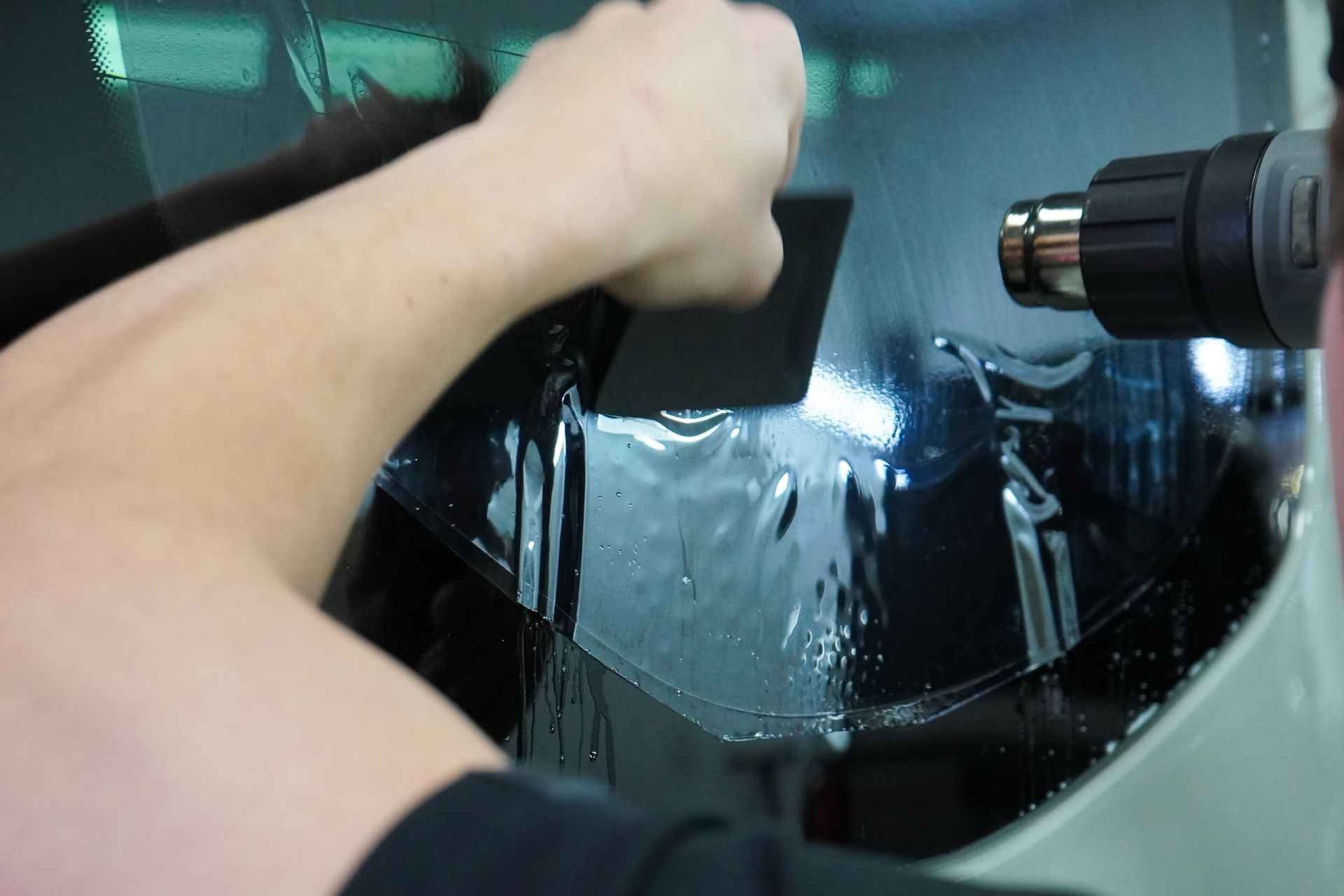
Home window tinting means applying a thin film, either clear or tinted, to the inside of your glass. The film rejects part of the sun’s heat, blocks UV rays, and softens glare. Many films also add privacy.
We’ve tinted homes across Vancouver and the Portland metro since 2004, so we know what film does well and where it falls short. This guide covers every pro and con in plain terms, then helps you match the right film to your windows and your goals.
Home window tinting pros and cons at a glance
| Pros | Cons |
|---|---|
| Less heat and a lighter load on your air conditioner | Privacy flips at night |
| UV protection and slower fading | Thermal stress risk on some glass |
| Daytime privacy | Possible warranty conflicts |
| Glare control | Bubbling and peeling from poor installs |
| Safety and shatter resistance | HOA restrictions |
| Lower cost than replacing windows | Less natural light with darker shades |
| Better curb appeal |
Pros of home window tinting
Less heat and a lighter load on your air conditioner
West and south-facing windows soak up the most sun. In Vancouver and Portland, that means hot afternoons from June through September. Solar film rejects a large share of that heat before it crosses the glass, so rooms stay cooler and your air conditioner runs less.
Industry sources cite heat rejection of up to 80 to 86% for high-performance films and cooling-bill reductions of up to 30% in hot climates. Your results depend on the film, your glass, and how much sun hits each window. Want the science? Read our guide on how tinted windows reduce heat.
UV protection and fade prevention
Sunlight bleaches hardwood floors, rugs, upholstery, and artwork. Quality film blocks up to 99% of UV rays, which slows that damage. It also cuts UV exposure for your family while you spend time indoors.
Daytime privacy
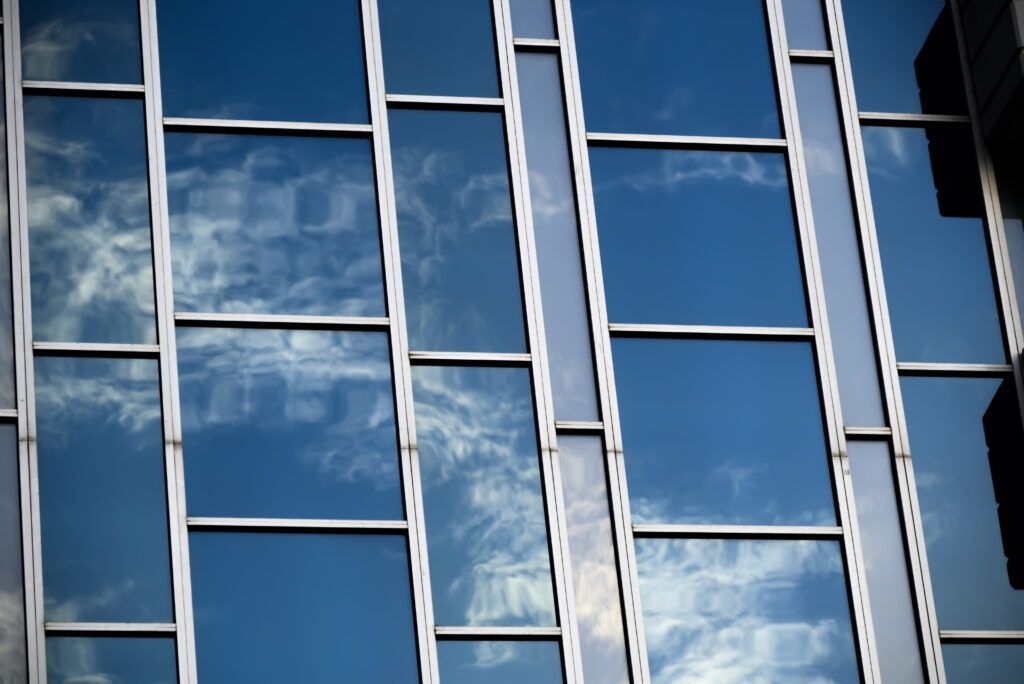
Reflective and frosted films let you see out while limiting what people see in, during the day. You can keep your blinds open, enjoy the view and the daylight, and still feel comfortable in rooms that face the street or a close neighbor.
Glare control
Glare on a TV or monitor makes you squint or pull the curtains, and then you lose the light. Film cuts glare and keeps the room bright. It’s especially helpful in home offices, media rooms, and kitchens with big south-facing windows.
Safety and shatter resistance
Security film holds glass together after an impact, a storm, or a break-in attempt. The shards stay in one piece, which lowers the risk of injury and slows entry. Film does not make glass unbreakable, but it buys you time. We recommend it for entry doors and ground-floor glass.
A lower-cost alternative to window replacement
Replacing windows typically costs far more than adding film. If your glass is in good shape but your rooms run hot and bright, film delivers much of the comfort upgrade for a fraction of the price.
Better curb appeal
A subtle, even tint gives older windows a clean, uniform look from the street. Energy-conscious buyers also notice upgrades like window film when they tour a home.
Cons of home window tinting
Privacy flips at night
Daytime privacy comes from the brighter side of the glass. After dark, with your lights on, the effect reverses, and people outside can see in more easily than you can see out. For privacy at night, choose frosted, etched, or other decorative film for bathrooms and bedrooms, and keep curtains or shades for the evening.
Thermal stress on some glass
Dark or heavily reflective films can trap heat inside double-pane or Low-E glass. That heat builds thermal stress, and stress can crack a pane. Most residential glass takes film well, but some window types need a quick check first. During your consultation, we identify your glass and choose a film that fits it.
Possible warranty conflicts
Some window manufacturers void their warranty when you add aftermarket film. Read your window warranty before you tint, and ask the film maker which problems its warranty covers, such as peeling, bubbling, or fading. Not sure what your warranty says? Call us before you buy anything.
Bubbling, peeling, and hazing from poor installs
Cheap film and DIY installs can bubble, peel, or haze within a few years. Quality film from a certified installer can last 10 to 20 years, depending on the film, the glass, and the sun exposure. Already have a job that looks rough? Read our guide on fixing a bad window tinting job.
HOA restrictions
Some HOAs set rules on exterior color, reflectivity, and appearance. Check your covenants before you pick a film. If you rent, ask your property owner first. Lighter, low-reflectivity films tend to raise fewer concerns, but confirm with your HOA.
Less natural light with darker shades
Film cuts light along with heat and glare. Darker shades can make a room feel dim, especially during our gray Pacific Northwest winters. Film shade comes down to VLT, or visible light transmission, which tells you the percentage of visible light that passes through the film. Lighter films keep rooms bright and natural.
Darker films add more privacy and heat control. You can also mix shades, using lighter film in rooms that need daylight and darker film on the hottest windows.
Which film is right for your home?
Two questions decide most film choices: what glass do you have, and what do you want film to do?
Start with your glass type
- Single-pane glass tolerates the widest range of films.
- Double-pane glass needs a film that suits its construction.
- Low-E coated glass already reflects heat, so it needs the most careful film choice.
Not sure which you have? We check during your free consultation.
Then match the film to your main goal
| Your main goal | Film type | What to expect |
|---|---|---|
| Lower cooling load | Solar film | Less heat and glare, in a range of shades |
| More privacy | Decorative or reflective privacy film | Reflective film works in daylight, and frosted film works day and night |
| Less glare | Lighter solar film | Softer screen glare while the room stays bright |
| Added protection | Security film | Holds glass together, ideal for entry doors and ground-floor glass |
| Specialty needs | Specialty film | Targeted climate control for unusual windows |
Room-by-room examples
- Sunny living rooms and kitchens: solar film to cut heat and glare
- Bedrooms and bathrooms: decorative or privacy film
- Entry doors and ground-floor glass: security film
- Home offices and TV rooms: lighter, low-glare shades
Curious how ceramic compares? Read our breakdown of regular vs. ceramic window tint, or browse our residential window tinting services.
What does home window tinting cost?
We cannot quote a fair price without seeing your windows. Four things drive the number:
- How many windows you want to tint
- How large they are
- Which film you choose
- What type of glass you have
We measure your windows at your home and quote the project from there. Quotes are free for Vancouver and Portland-area homes. For many homeowners, the return shows up in comfort first: rooms you can use again in the afternoon, and floors and furniture that fade more slowly.
Is home window tinting a good investment?
For most homeowners with sun-facing windows, yes. Film delivers the most value in these situations:
- You have west or south-facing windows that heat up every afternoon.
- Your windows are older and lack a Low-E coating.
- Glare hits your TV or computer screen.
- Your windows face a busy street or a close neighbor.
Wait or choose a different approach if you want privacy mainly at night, if your HOA restricts film, if your window warranty conflicts with film, or if your windows face north and stay shaded most of the day.
Why a professional install protects your results
Film quality and installation skill decide how long your tint looks good and performs well. Here is how we work:
- Consultation at your home. We measure your windows and learn your goals for heat, glare, and privacy.
- Custom recommendations. We pick the right film and shade for each window based on sun exposure and your style.
- Certified installation. Our installers apply your film carefully, from first measurement to final cleanup.
- Final walkthrough. We check every window with you before we leave.
We are a family-owned shop and a certified XPEL dealer. We are licensed, bonded, and insured, and we back our work with a 100% satisfaction guarantee. Our customers rate us 4.7 stars across more than 175 reviews.
“What a difference in glare coming into the house as well as the heat coming through the glass!”
- Maureen S., January 2026, after we tinted her west-facing windows
We serve homeowners in Vancouver, Camas, Washougal, Battle Ground, and across the Portland metro, including Lake Oswego.
Home window tinting FAQs
What are the downsides of home window tinting?
The main downsides are reversed privacy at night, possible glass stress on double-pane or Low-E windows, warranty conflicts, bubbling from low-quality film, HOA rules, and less natural light with darker shades. A professional consultation helps you avoid most of them.
Can tint damage double-pane or Low-E windows?
Dark or heavily reflective film can trap heat in the pane and cause thermal stress. A professional identifies your glass first and picks a compatible film. Review your window manufacturer’s warranty too.
How long does home window film last?
Quality film professionally installed can last 10 to 20 years. The exact lifespan depends on the film, your glass, and how much sun each window gets.
Does window tint give privacy at night?
Reflective film flips at night when your interior lights are on. Frosted or decorative film gives privacy day and night, and shades or curtains cover the rest.
Should film go inside or outside?
Most residential film goes on the inside of the glass, which shields it from weather. A few windows call for a different approach, and we tell you during your consultation.
Which windows should I tint first?
Start with your west and south-facing windows, where heat and glare peak. You can add other windows later.
How much does home window tinting cost?
Cost depends on the number and size of your windows, the film you choose, and your glass type. Request a free quote, and we will measure and price your project.
Ready to find the right film for your home?
Call
(360) 695-4444 or
request your free quote. We will visit your home, check your glass, and recommend the right film for every window.
Recent Posts